Property & Building Lifecycle
Property & Building Lifecycle
You can start with the stage you are in now.
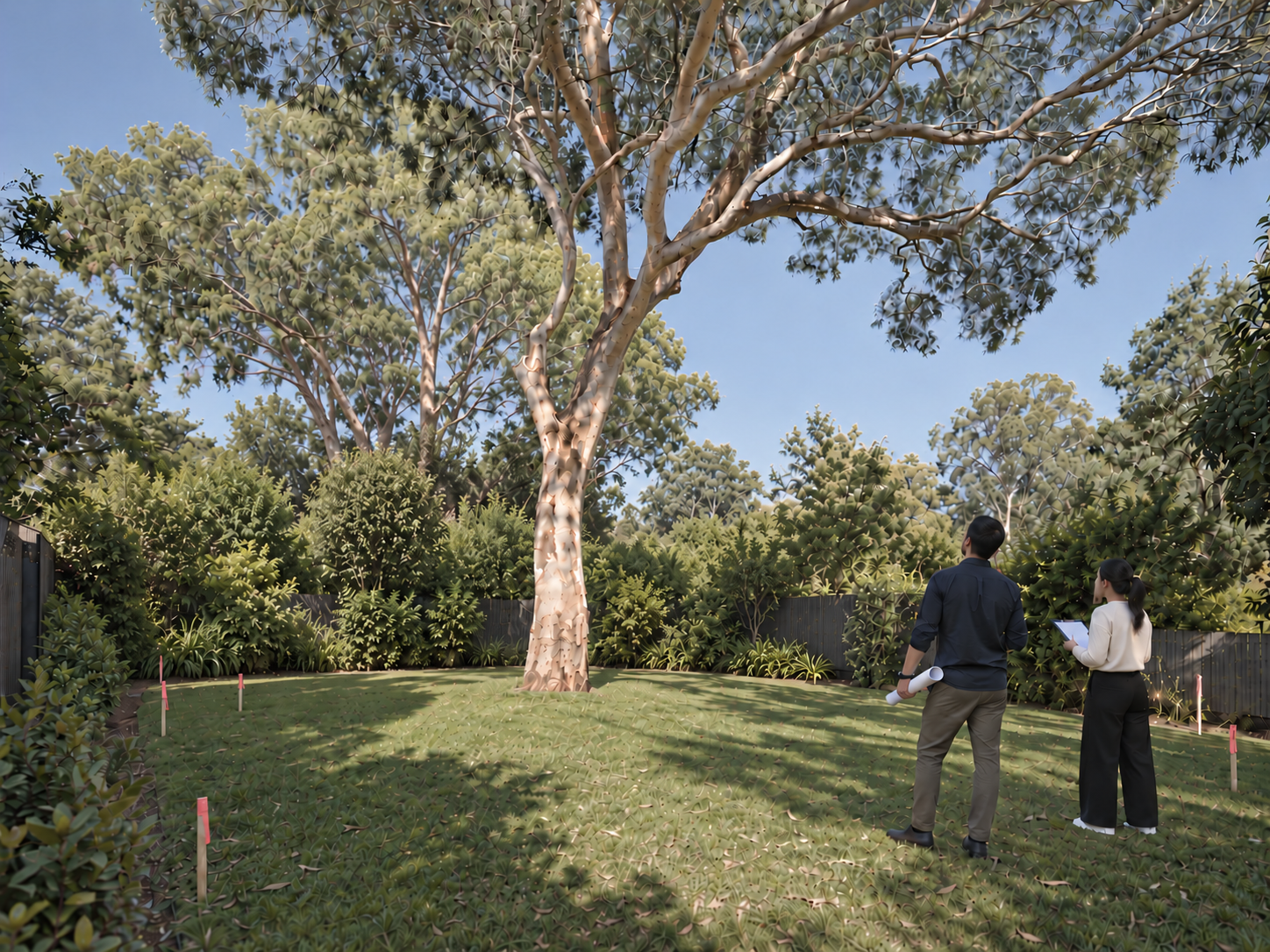
Before You Commit
Before committing to a home or site, it helps to understand whether it can support what you may want to do next.
Issues discovered only after purchase can leave fewer options. An early review of the existing building, site conditions, Council information and future alteration or development potential can help clarify the picture before further investment.
01Pre-purchase Property & Site Advice
Review a property or site from an architectural and future-use perspective, identifying relevant constraints, opportunities and areas that may need further investigation.
02LIM / Property File Review
Review available Council records, drawings and consent history to better understand the property and identify matters that may require further investigation.
03Alteration & Extension Potential
Explore whether future alterations, additional space or extensions are likely to be practical before committing to the property.
04Preliminary Feasibility Review
Undertake an early review of site, space and development potential to help determine whether further investigation is worthwhile.
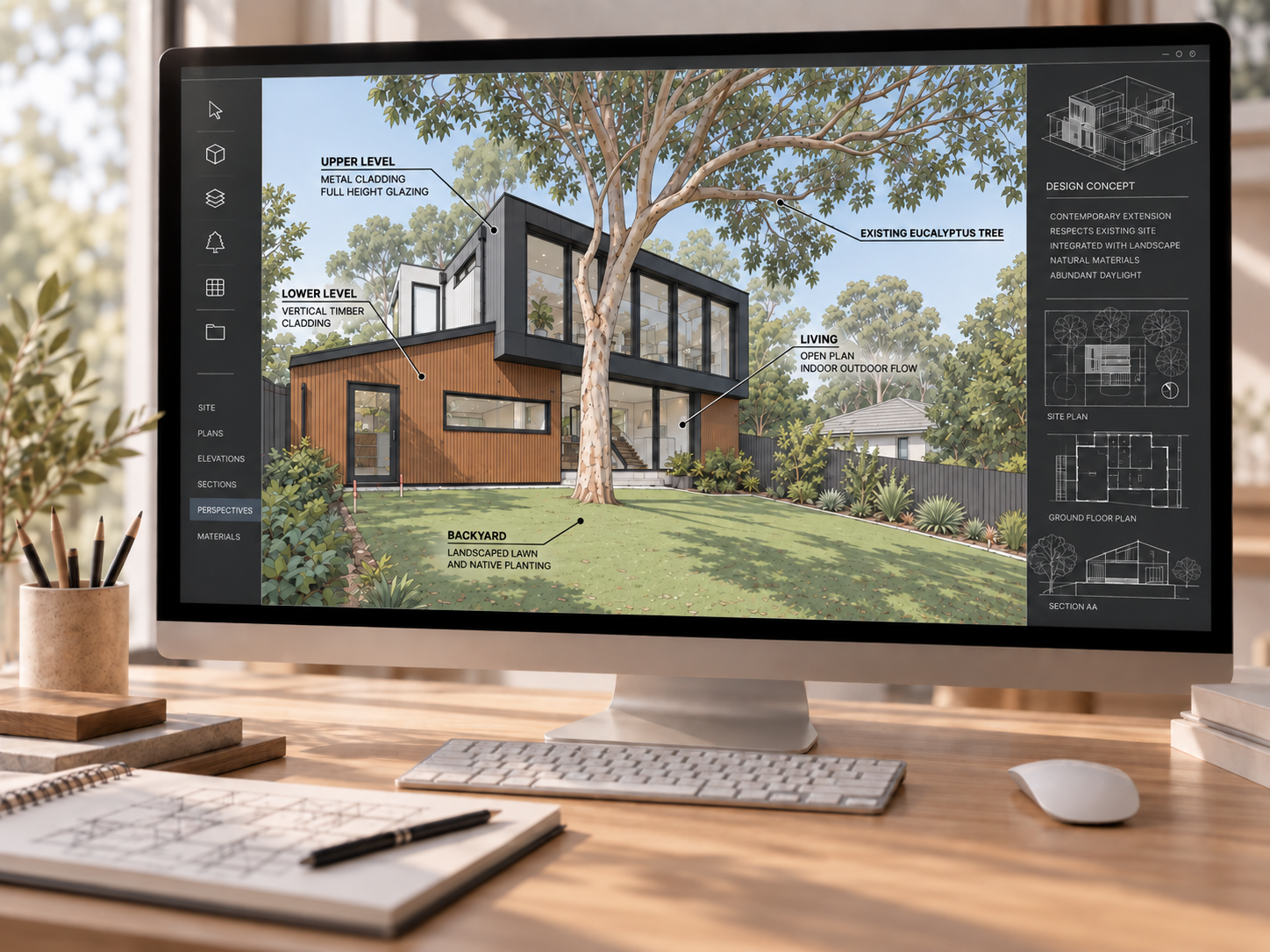
Design & Consent
Once the direction becomes clearer, the next step is to turn the idea into a design that can be consented and built.
Design is not only about space and appearance. It also needs to respond to the site, regulations, structure, materials, cost and other professional requirements.
01Concept Design
Bring together the brief, site conditions, planning requirements and project constraints to establish the overall spatial and architectural direction.
02Resource Consent
Develop the architectural design and supporting information required for projects involving Resource Consent, working alongside planners and other relevant consultants.
03Building Consent
Prepare architectural documentation for Building Consent and respond to Council RFIs relating to the architectural scope.
04Consent & Consultant Coordination
Coordinate architectural information with planners, engineers, surveyors and other consultants so the different parts of the project progress together.
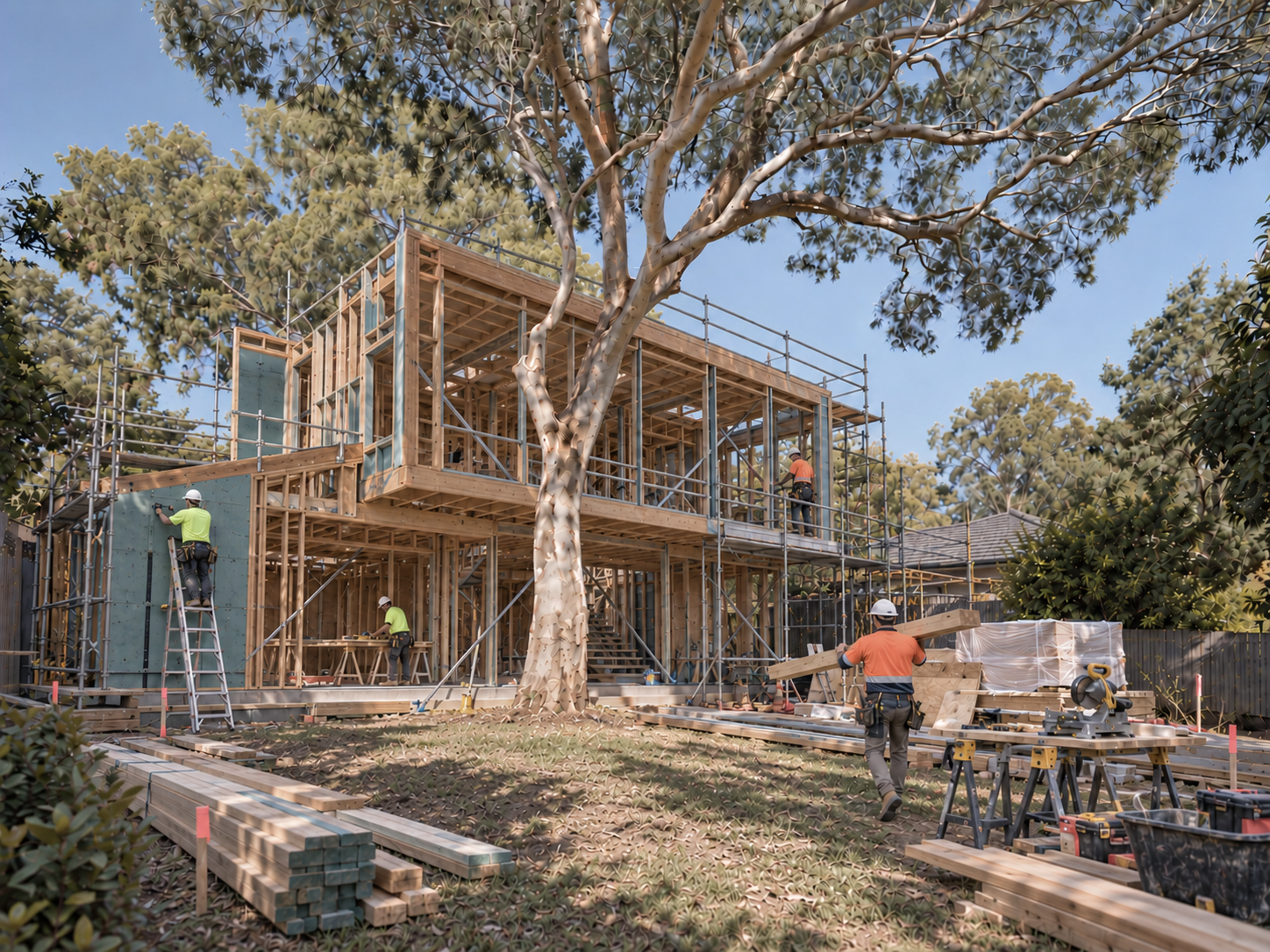
During Construction
Once the drawings are approved, the project moves into the realities of construction.
Tisylum does not provide construction contracting services, but can continue to support the project through architectural design input, coordination and project management.
01Project Management
Support the project through key stages, communication, coordination and issue follow-up so work can continue to move forward clearly.
02Site Coordination
Attend site when required to understand site conditions and coordinate issues between the drawings, contractor, client and relevant consultants.
Site coordination does not replace contractor site management, Council inspections or continuous construction supervision.
03Construction-stage Changes
Assess changes arising during construction and update architectural information where required.
04Building Consent Amendments
Prepare architectural documentation for changes that require a formal amendment to the approved Building Consent.
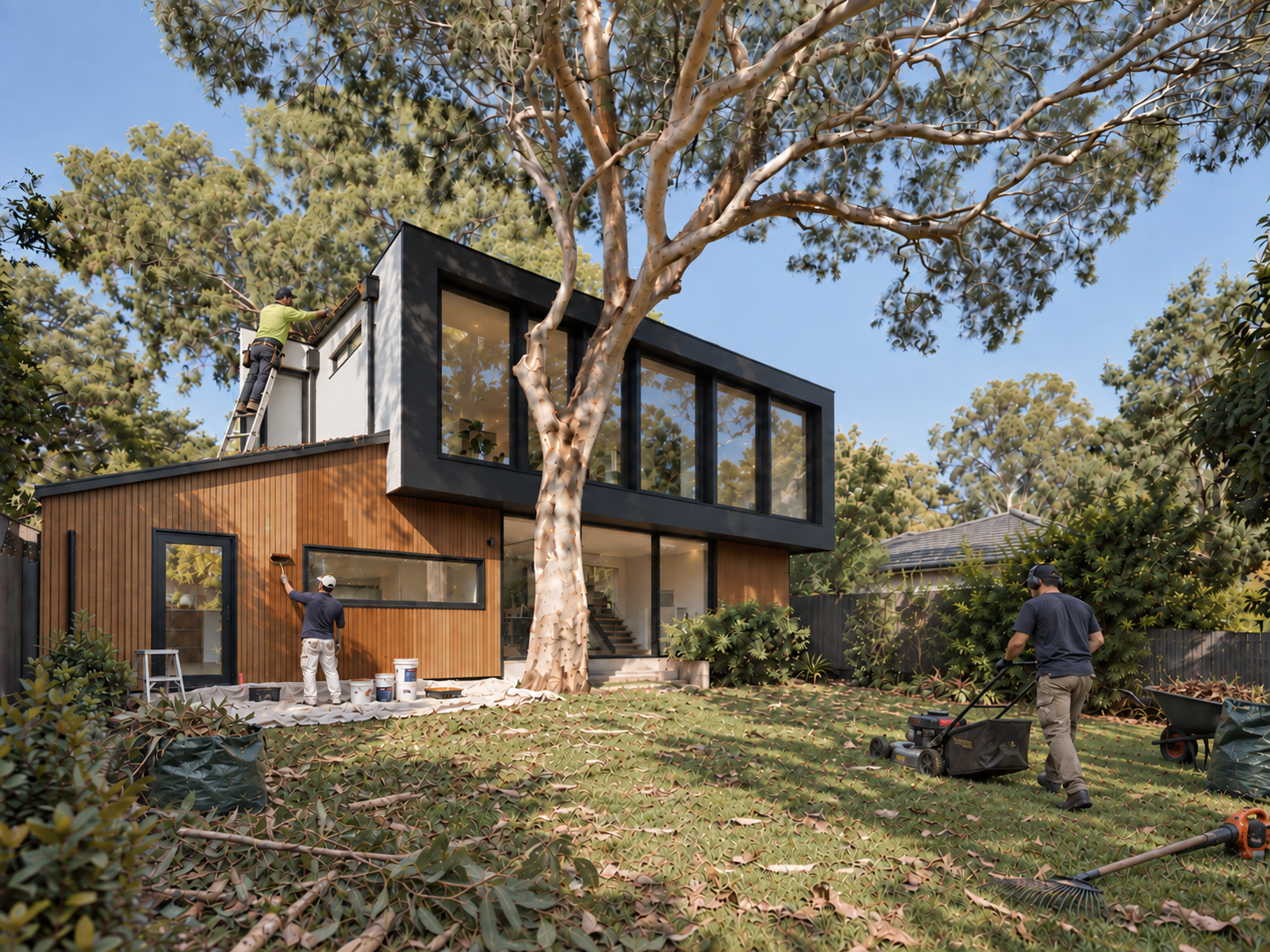
Use & Maintain
Once a building is in use, its needs do not disappear — they simply change.
Often the difficult part is not deciding whether something needs attention, but understanding the issue, comparing possible responses and deciding what should happen next.
01Maintenance Needs Review
Clarify the existing issues, desired outcome and likely scope of work before deciding how to proceed.
02Maintenance & Repair Options
Compare different repair or maintenance approaches in terms of scope, materials, cost and longer-term implications.
03Service Provider Coordination
Coordinate with suitable contractors, maintenance providers and other specialists where required.
04Maintenance Project Management
Provide project management support for maintenance or improvement work involving multiple trades, stages or service providers.
Alter & Extend
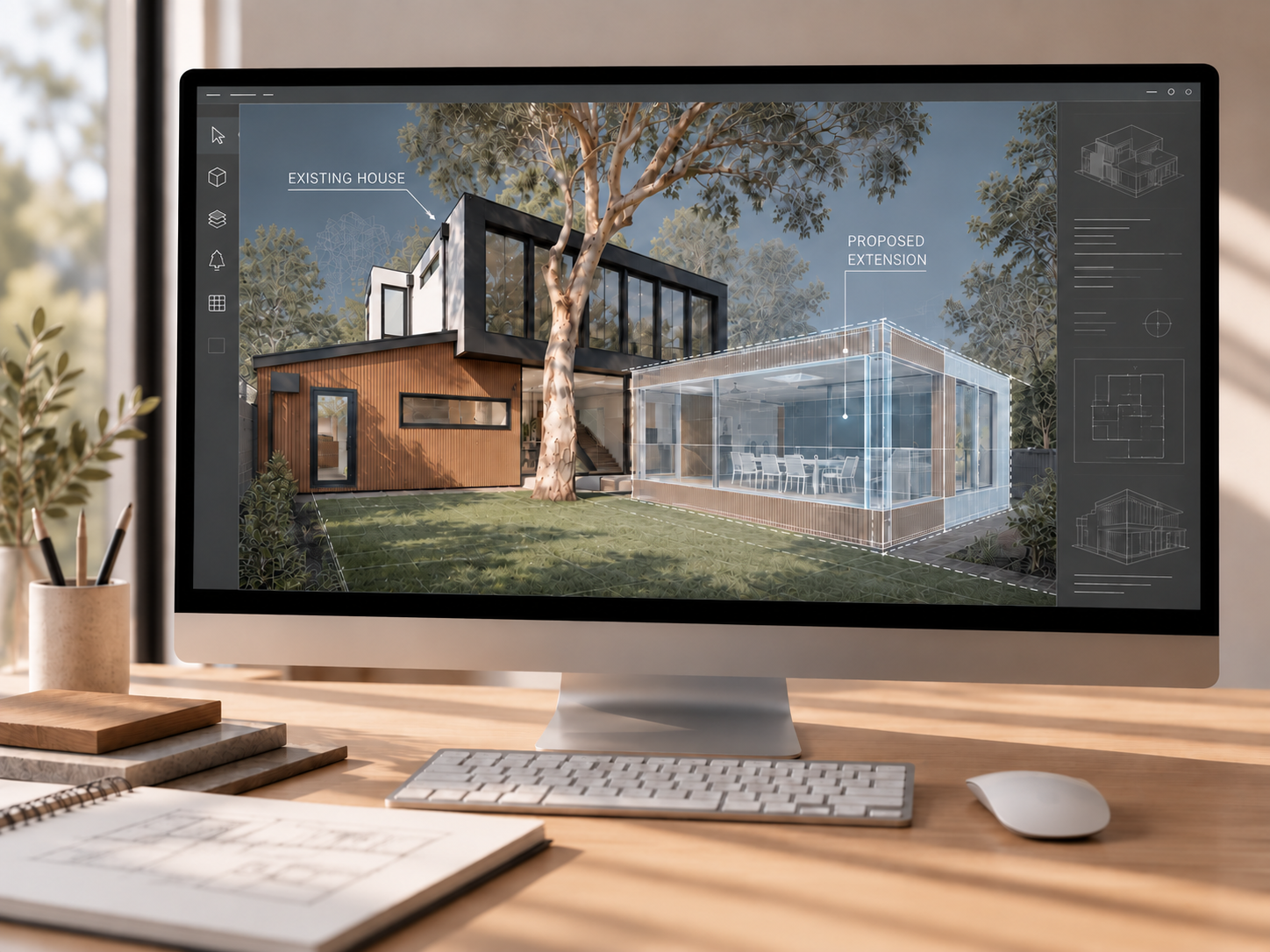
Life changes, and a home can change with it.
Families, lifestyles and space requirements evolve. Sometimes the right answer is not another property, but a better use of the one you already have.
01Space Planning & Alteration Advice
Review how the existing home is being used and explore opportunities to improve it through better planning or targeted alterations.
02Extension & Alteration Feasibility
Assess the existing building, site, planning constraints and construction conditions to understand the feasibility of a proposed alteration or extension.
03Architectural Design
Develop the architectural design from the agreed brief through to the level of documentation required for the project.
04Building Consent
Prepare and coordinate the architectural documentation required for Building Consent for alterations and extensions.
Sell or Redevelop
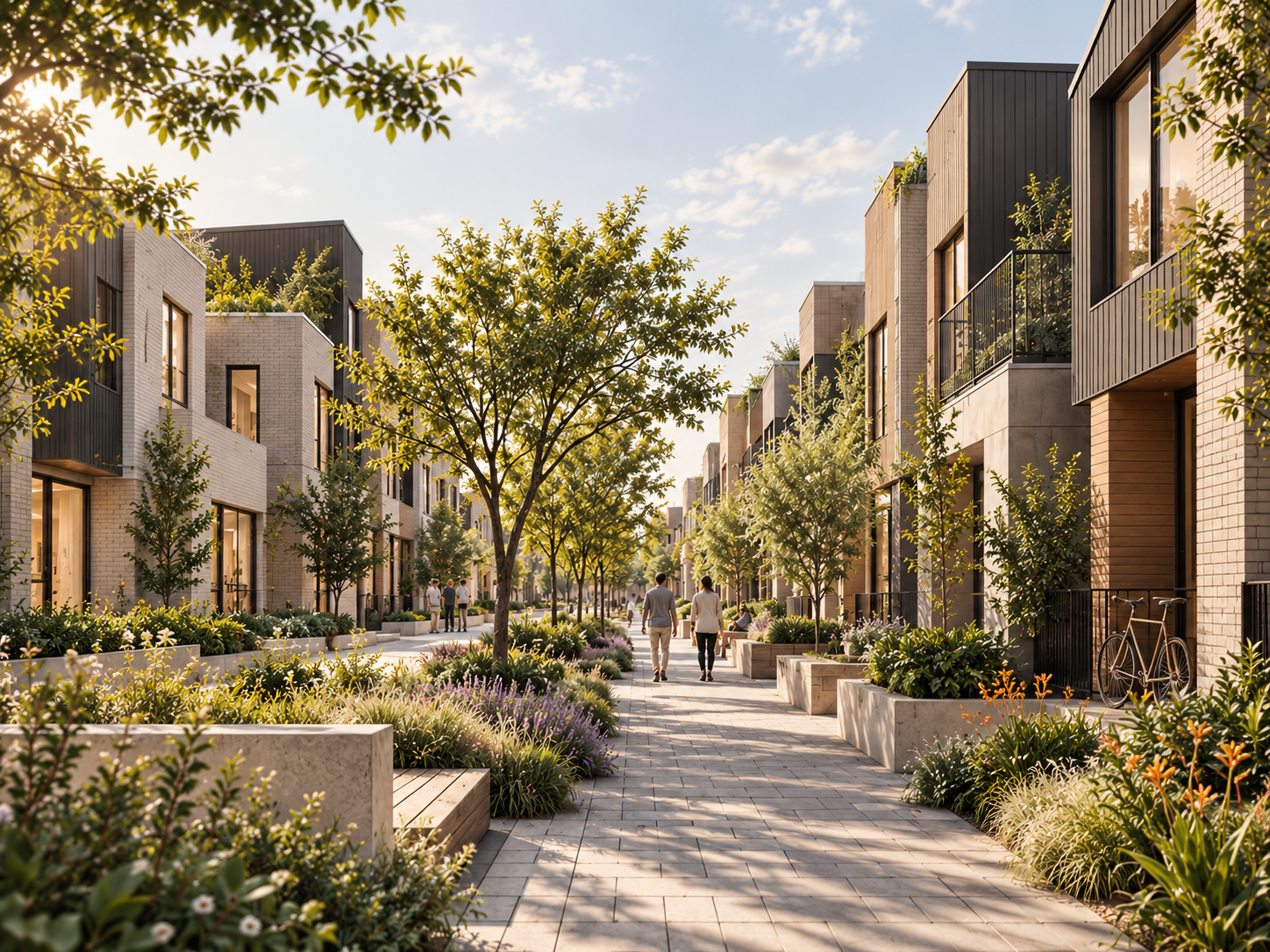
When a property or site has further development potential, the next step does not have to be simply holding onto it.
An owner may choose to obtain Resource Consent before sale, or may decide to continue with the development themselves. Understanding the site’s potential, constraints and possible design direction first can make the next investment more informed.
01Pre-sale Resource Consent
For properties with development potential, an approved Resource Consent can help present a more defined development opportunity to the market. Tisylum can develop the architectural scheme and coordinate with planners, engineers and other consultants through the consent process.
02Redevelopment Feasibility
Review the site, existing buildings, planning constraints, infrastructure and project objectives to understand the potential and key limitations of redevelopment.
03Development Concept Testing
Test site layout, building form, access and development scale to explore different development directions before committing to a more detailed design.
04Architectural Design for Development
Provide architectural design for development projects and coordinate with the appropriate planners, engineers, surveyors and other consultants according to the scale and complexity of the project.
Not sure which stage you are in?
That is fine. One purpose of the first conversation is to work that out.
The first consultation is free and usually takes around 20–30 minutes.
Book a first conversation